Choose from our carefully crafted safari itineraries
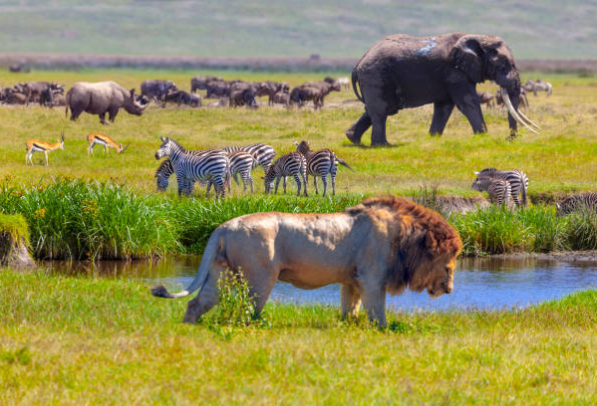
Experience the best of Kenya with visits to Samburu, Ol Pejeta, Lake Nakuru, and Maasai Mara.
View Itinerary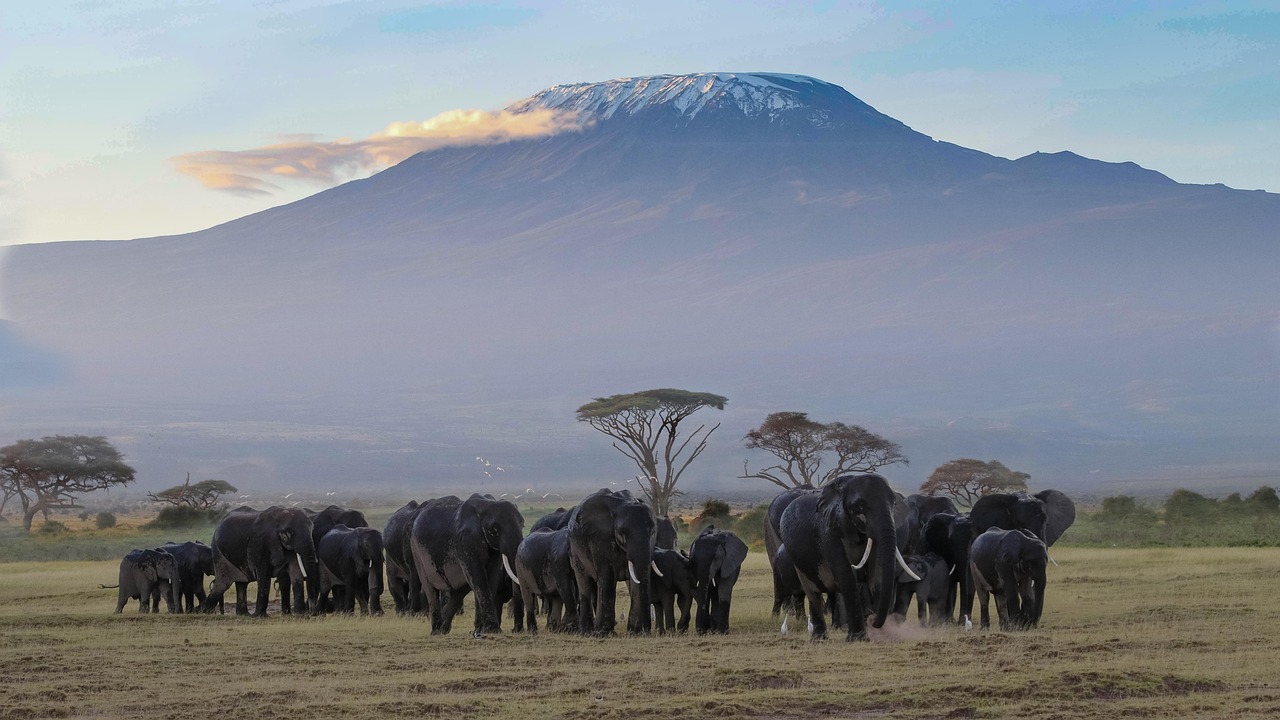
Discover Kenya's highlights with visits to Maasai Mara, Lake Nakuru, and Ol Pejeta Conservancy.
View Itinerary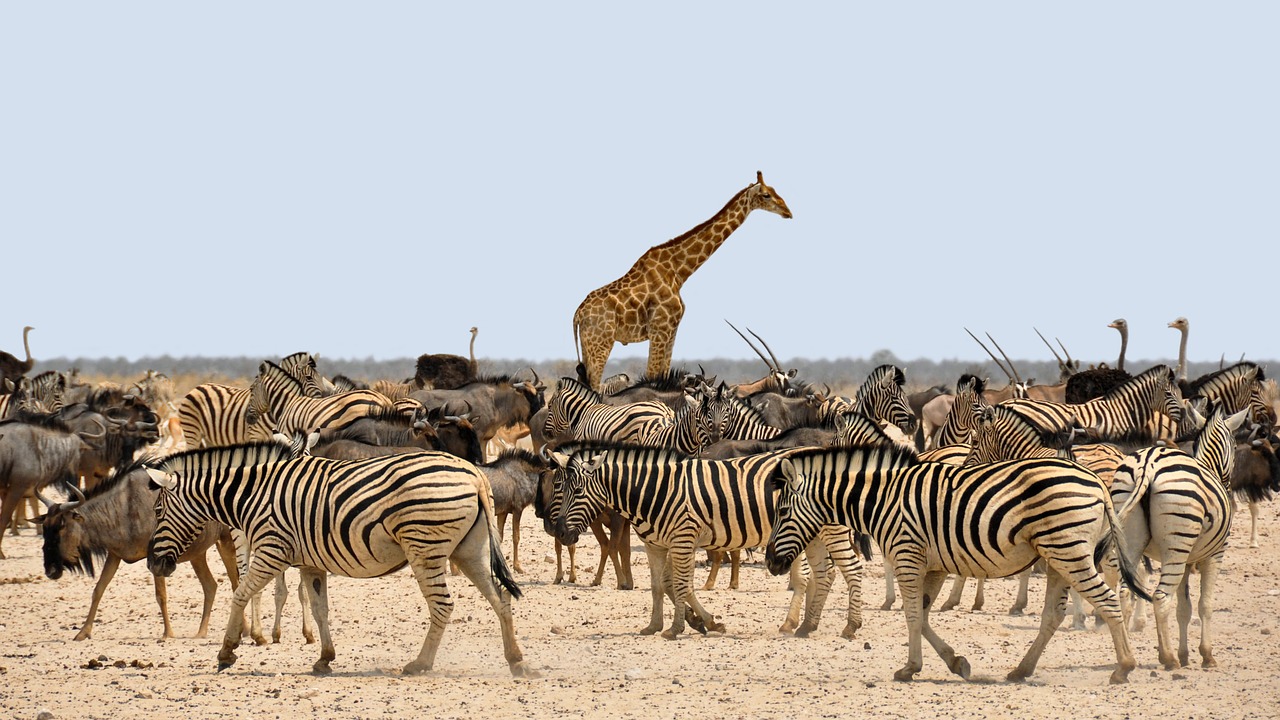
Explore Amboseli, Lake Naivasha, Maasai Mara, and Lake Nakuru on this comprehensive safari.
View Itinerary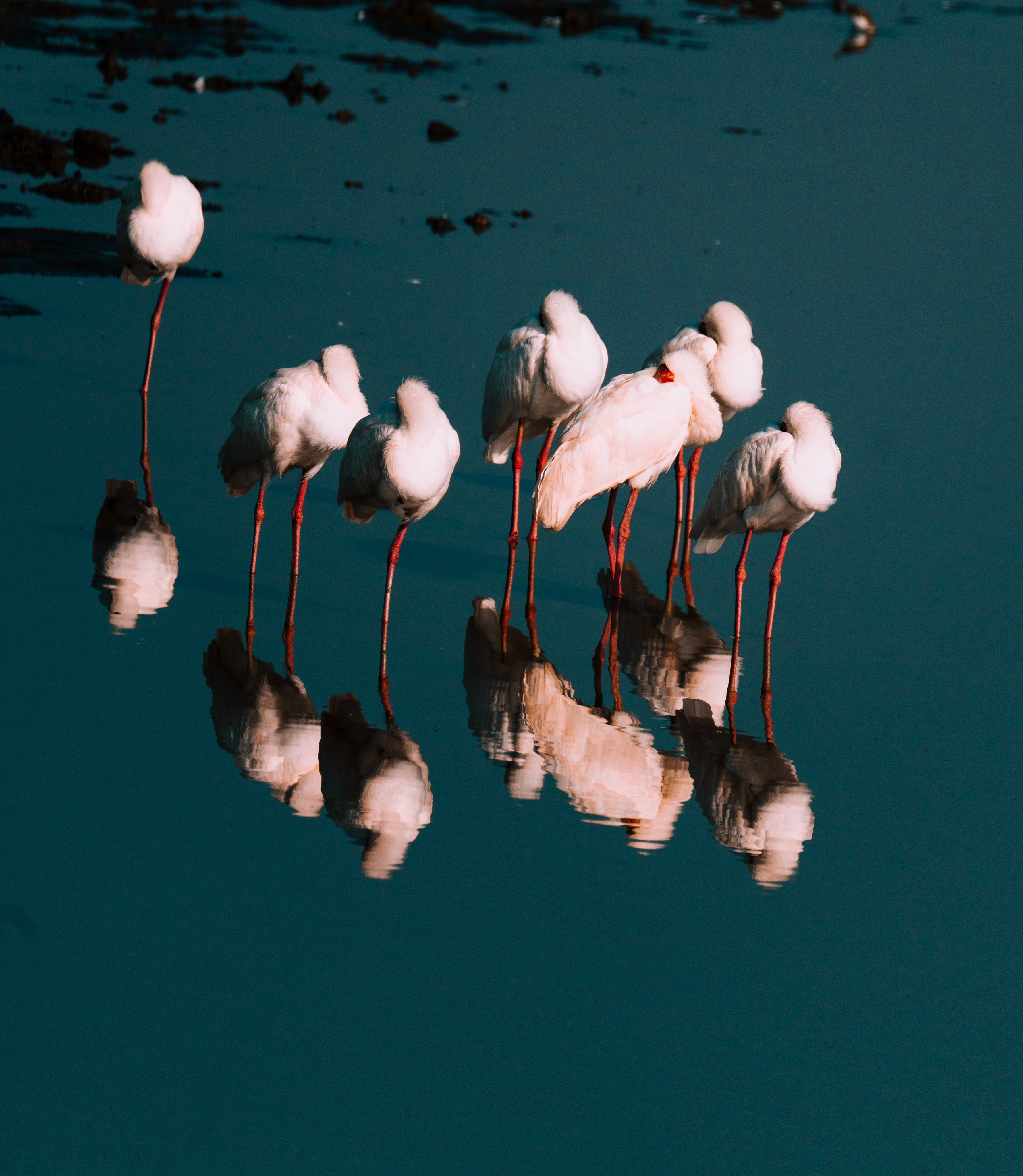
Visit Aberdare, Lake Nakuru, and Maasai Mara for an unforgettable wildlife experience.
View Itinerary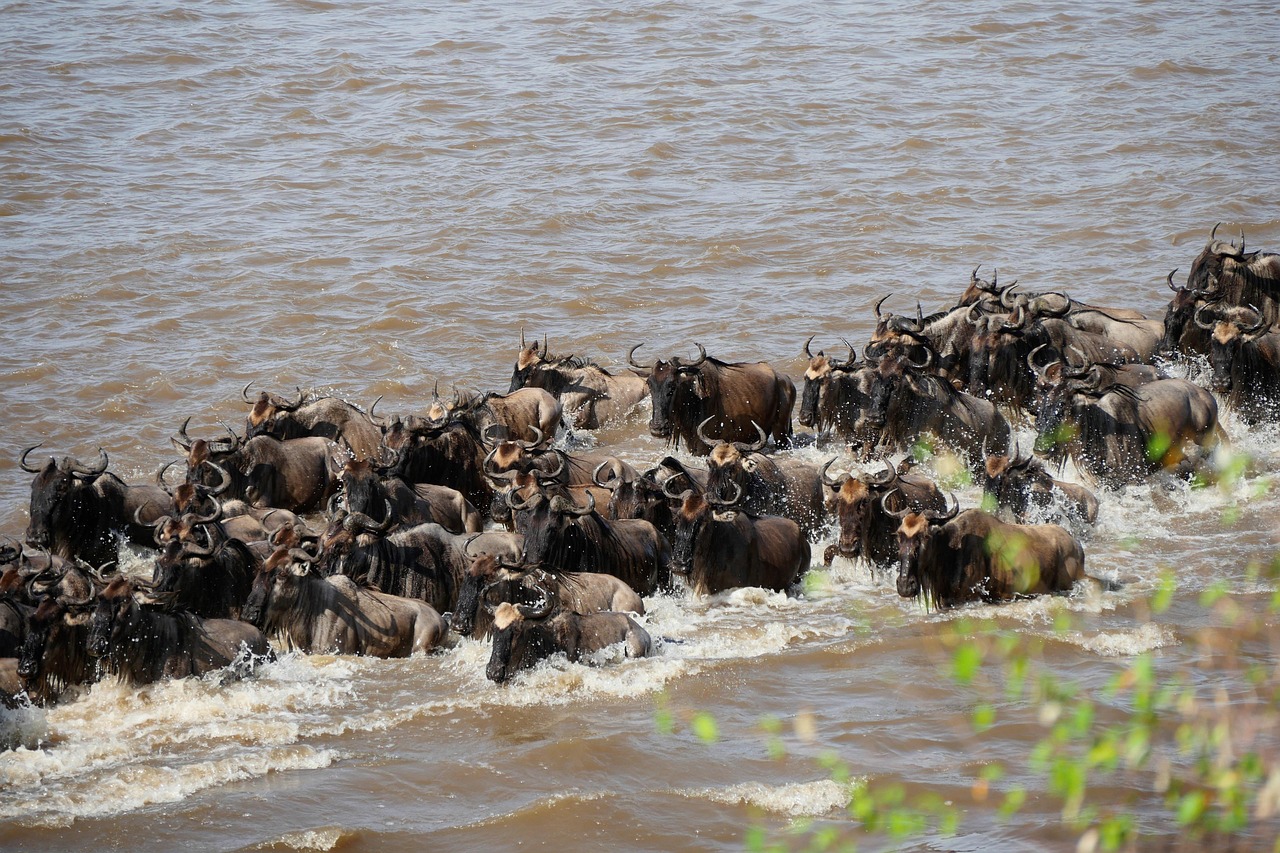
A quick safari to experience the magic of Maasai Mara and its abundant wildlife.
View Itinerary
Explore Amboseli, Lake Nakuru, and Maasai Mara on this wildlife-focused safari.
View Itinerary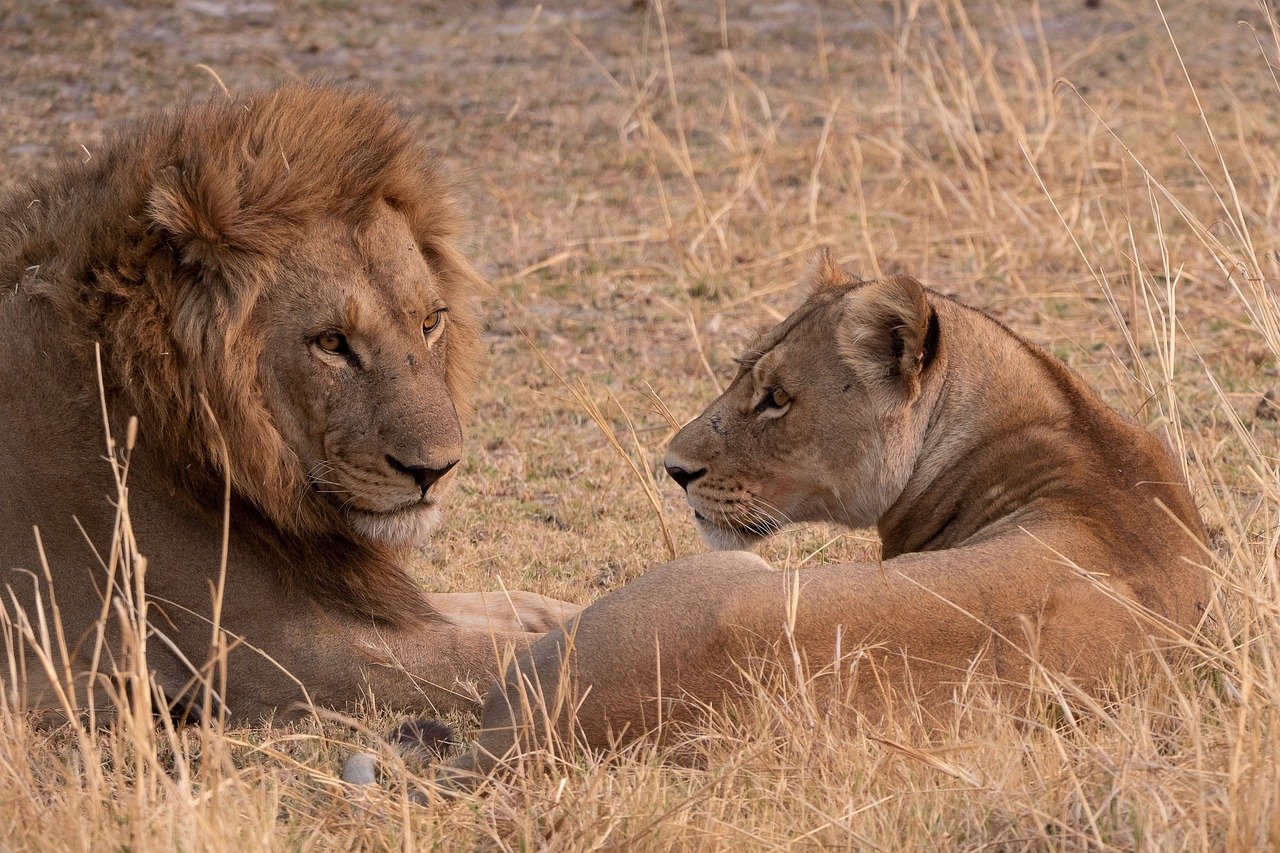
Focus on big cats with visits to Buffalo Springs, Lake Nakuru, and Maasai Mara.
View Itinerary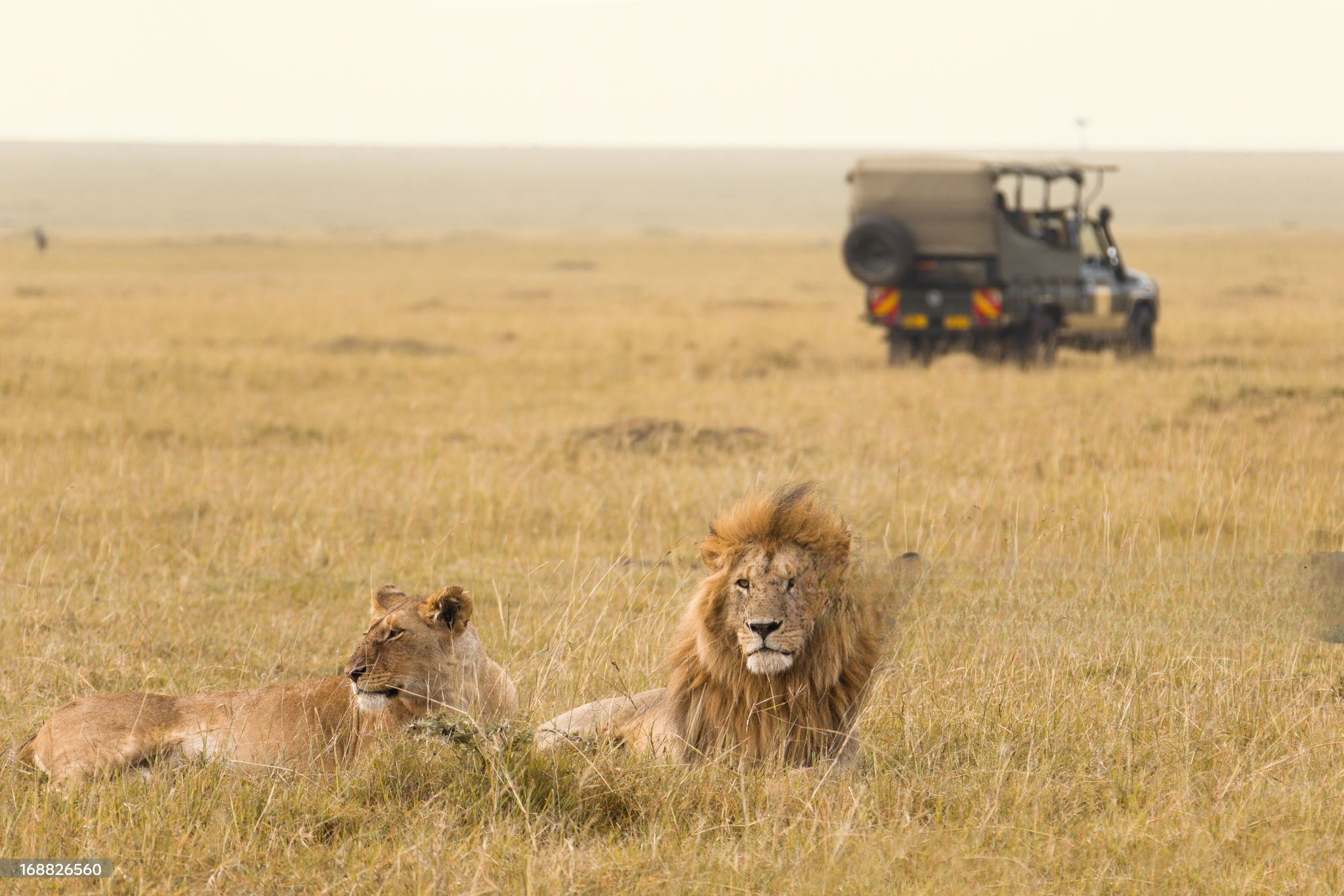
Fly to Maasai Mara for a quick but comprehensive safari experience.
View Itinerary
Immerse yourself in the wildlife and landscapes of the famous Maasai Mara.
View Itinerary
The Masai Mara National Reserve is one of Africa's most magnificent game reserves. Bordering Tanzania, the Mara is the northern extension of the Serengeti and forms a wildlife corridor between the two countries.
It's named after the Maasai people and their description of the area when looked at from afar: "Mara" means "spotted" in the local Maasai language, due to the many trees which dot the landscape.
Amboseli National Park is known for its large elephant herds and views of immense Mount Kilimanjaro, across the border in Tanzania. The name "Amboseli" comes from a Maasai word meaning "salty dust".
The park is famous for being the best place in Africa to get close to free-ranging elephants. Other attractions include opportunities to meet the Maasai people and spectacular views of Mount Kilimanjaro.
Tsavo is made up of two separate parks: Tsavo East National Park and Tsavo West National Park. Together, they form one of the largest national parks in the world, covering nearly 22,000 km².
Tsavo East is generally flat with dry plains, while Tsavo West is more mountainous and wetter, with swamps, Lake Jipe, and the Mzima Springs. The park is known for its red-skinned elephants, which appear red because they dust themselves with the red soil.
Lake Nakuru National Park is famous for its huge flocks of pink flamingos. The birds are attracted to the lake's abundance of algae. The park was created in 1961 around Lake Nakuru, and in 1990 it was declared a UNESCO World Heritage Site.
The park has recently become a rhino sanctuary and is home to both black and white rhinos. The park also protects giraffes, including the Rothschild's giraffe.
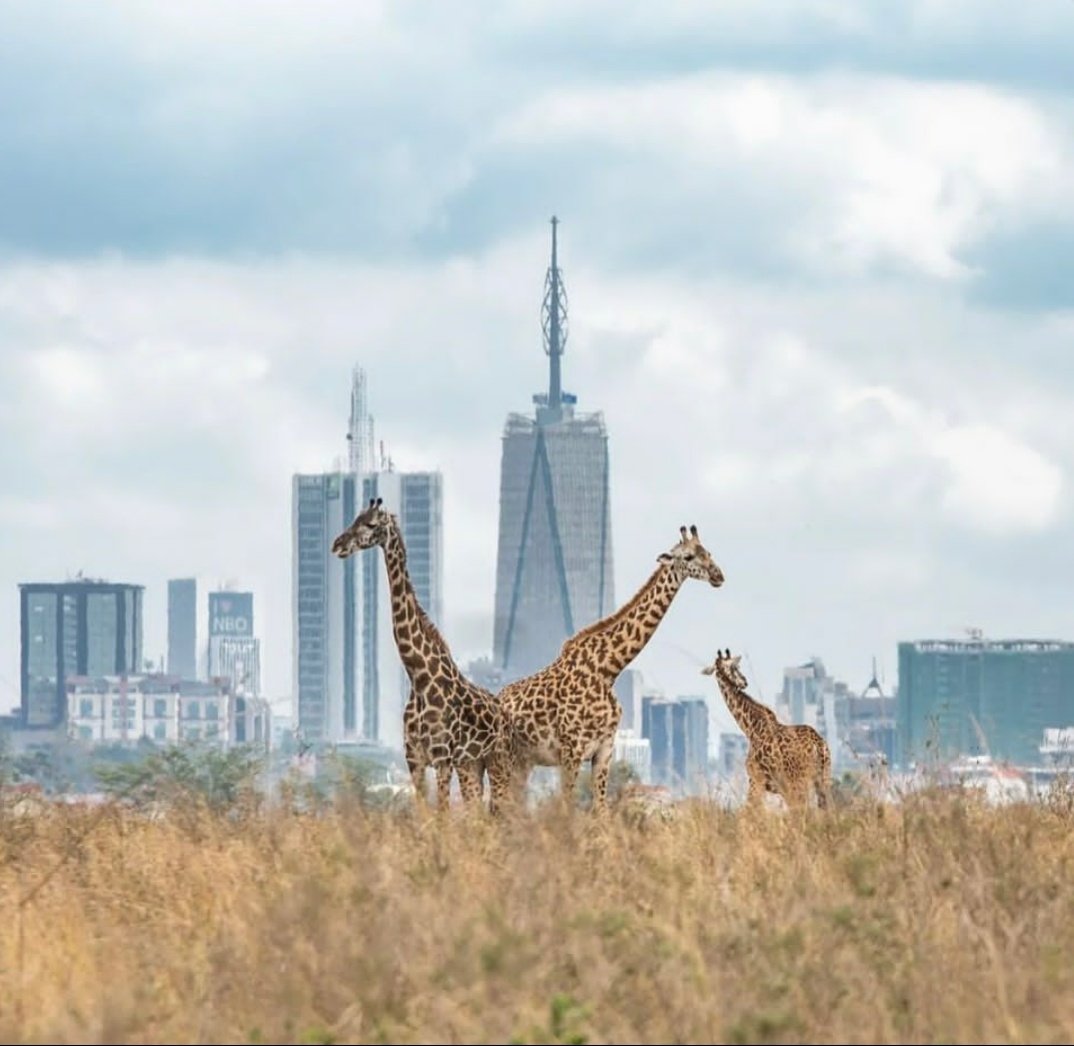
Nairobi National Park is unique as the only national park in the world that borders a capital city. The park is a mere 7 km from the center of Nairobi, with the city's skyscrapers visible from within the park.
Despite its proximity to urban civilization, the park is home to a wide variety of wildlife including lions, leopards, cheetahs, hyenas, buffaloes, giraffes, and over 400 species of birds.
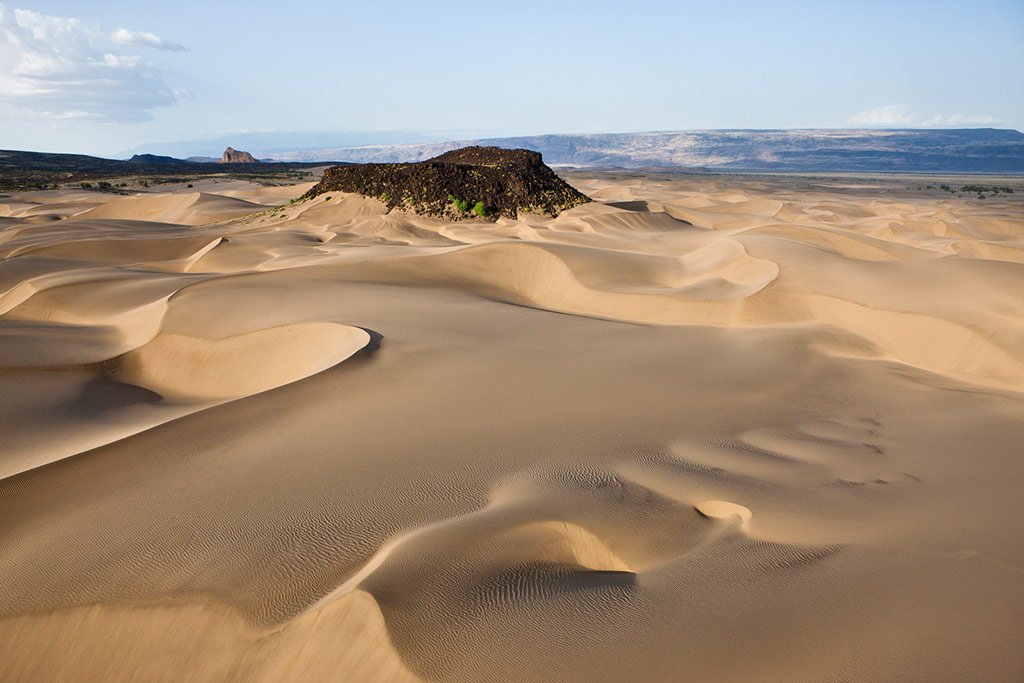
The Chalbi Desert is Kenya's only true desert, located in the northern part of the country near the Ethiopian border. The name "Chalbi" means "bare and salty" in the local Gabbra language, aptly describing this unique landscape.
This vast, flat expanse of sand and salt flats was once an ancient lake bed. Today, it offers a surreal landscape of sand dunes, mirages, and occasional oases that provide a stark contrast to Kenya's more famous safari destinations.
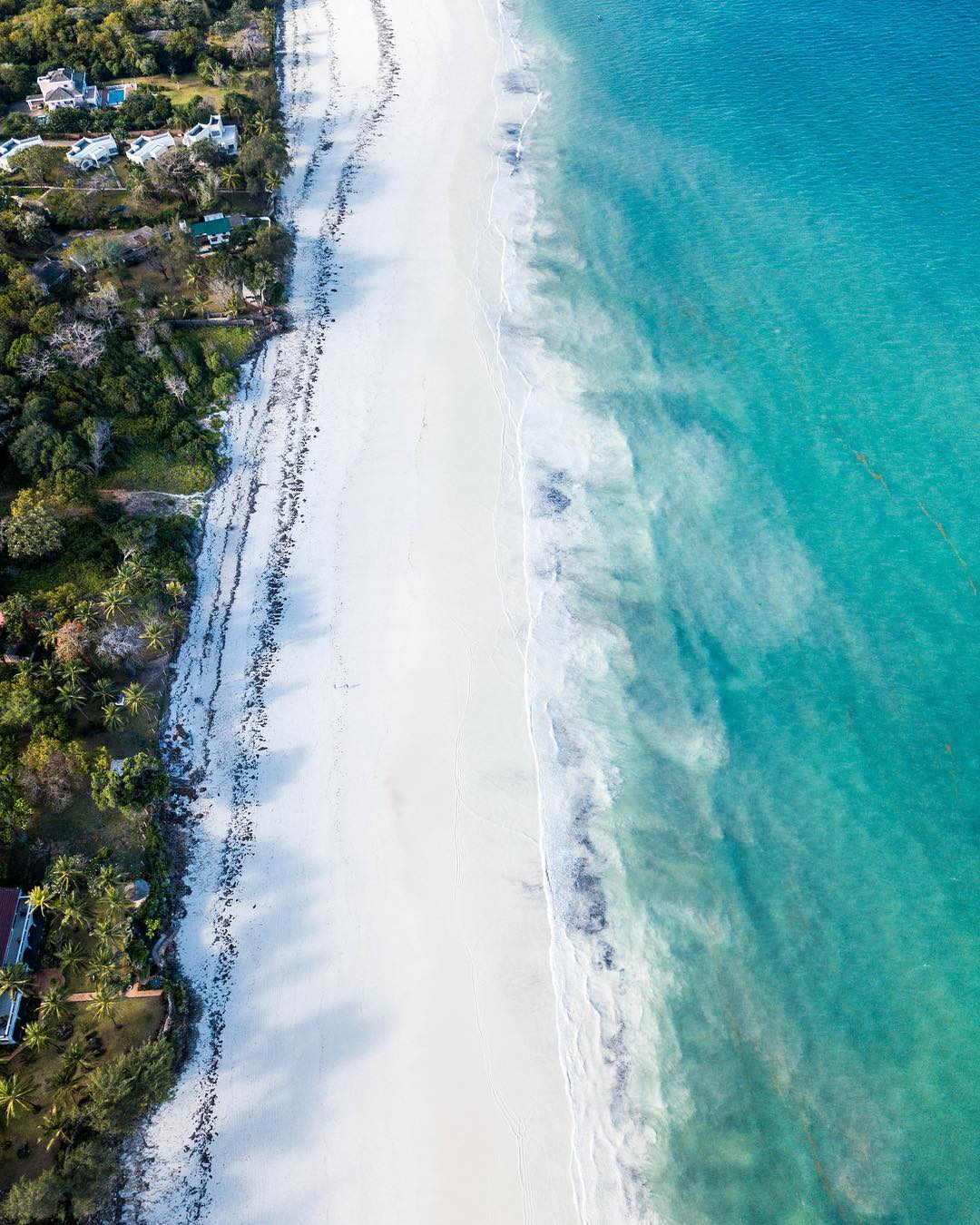
Kenya's coastline stretches for approximately 536 kilometers along the Indian Ocean, offering some of Africa's most beautiful beaches. From Diani to Watamu, these pristine white sand beaches and turquoise waters provide the perfect complement to a safari adventure.
The Kenyan coast is not only known for its beaches but also for its rich Swahili culture, historic sites like Fort Jesus, and marine national parks teeming with colorful coral reefs and diverse marine life.
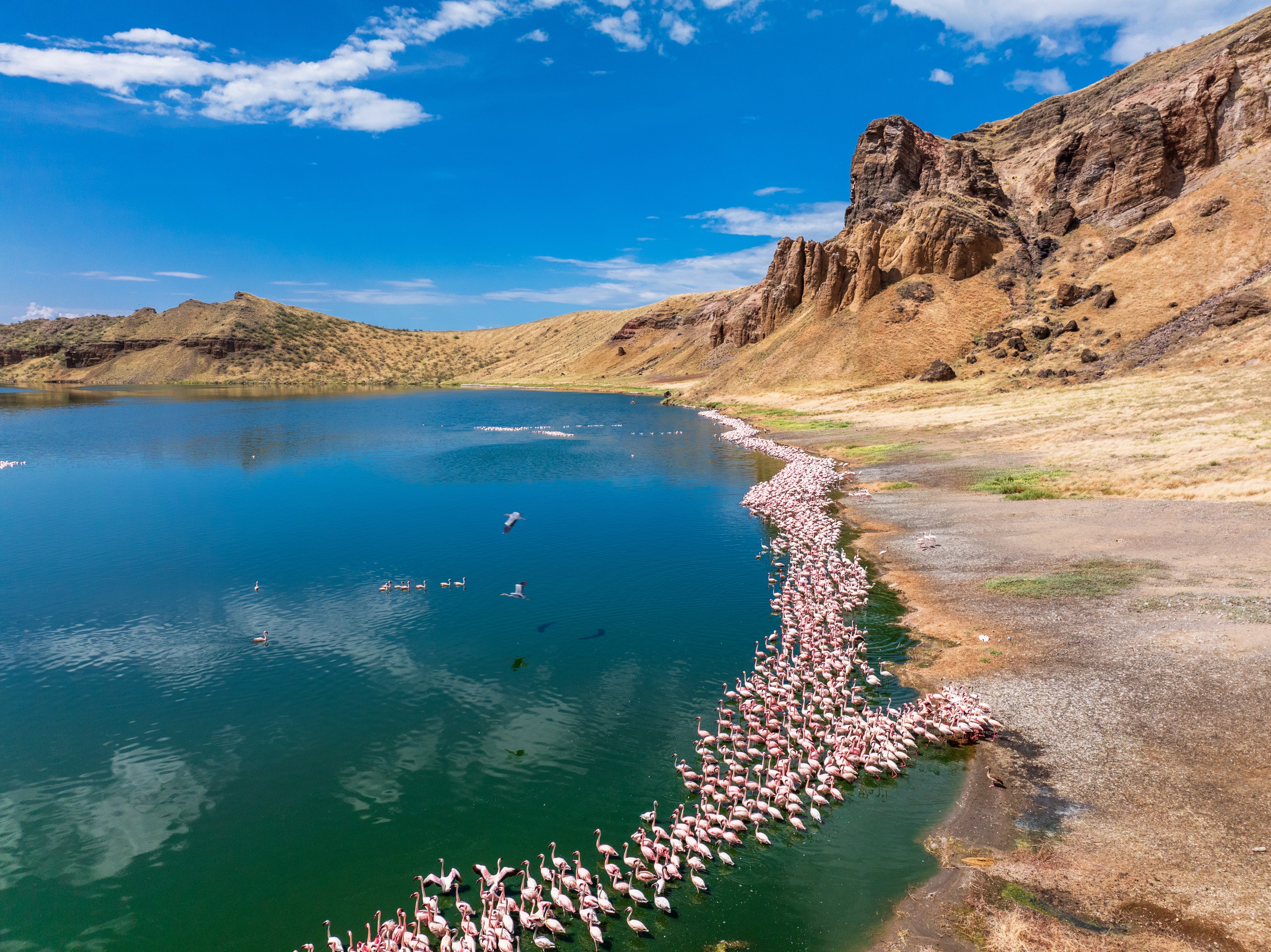
Lake Turkana, also known as the Jade Sea due to its remarkable turquoise color, is the world's largest permanent desert lake and the world's largest alkaline lake. Located in the northern part of Kenya's Great Rift Valley, this UNESCO World Heritage site offers a truly off-the-beaten-path adventure.
The lake is surrounded by arid, volcanic landscapes and is home to the world's largest population of Nile crocodiles. The area is also of great archaeological significance, with numerous fossil sites where some of the earliest human remains have been discovered.
Contact us today to start planning your dream safari
Get in Touch